
Last updated September 10, 2026
Full 25-point door and opener safety check with every visit - springs, cables, rollers, tracks, and your LiftMaster or Chamberlain opener included
You get a price before we start. It does not change when the truck arrives.
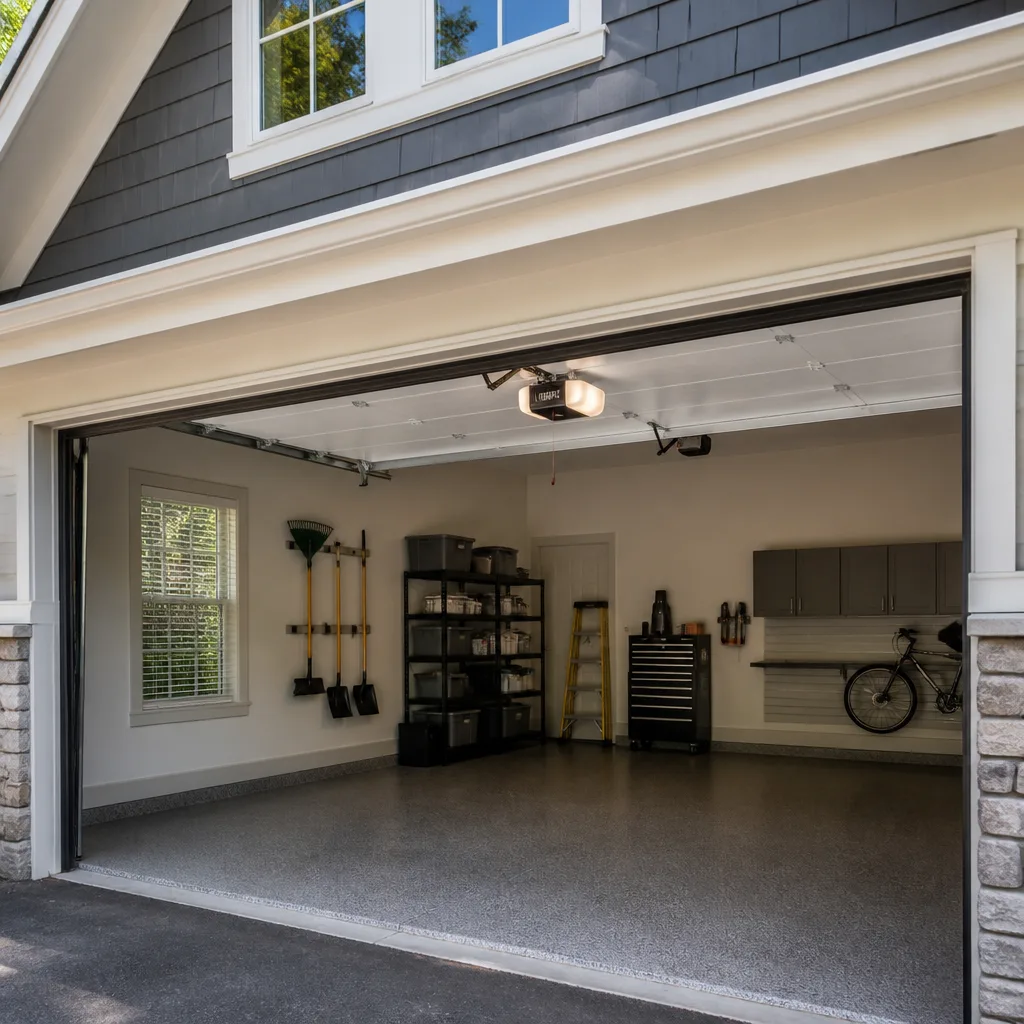
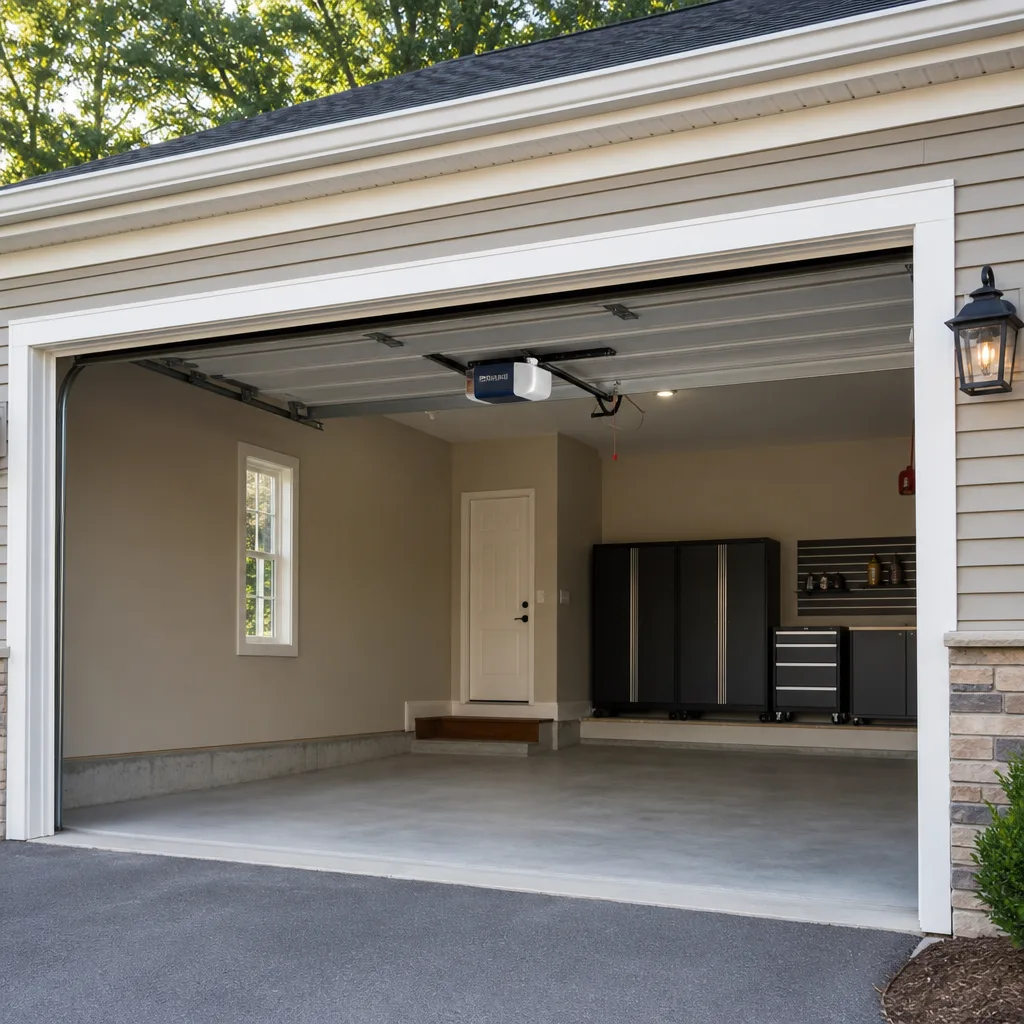
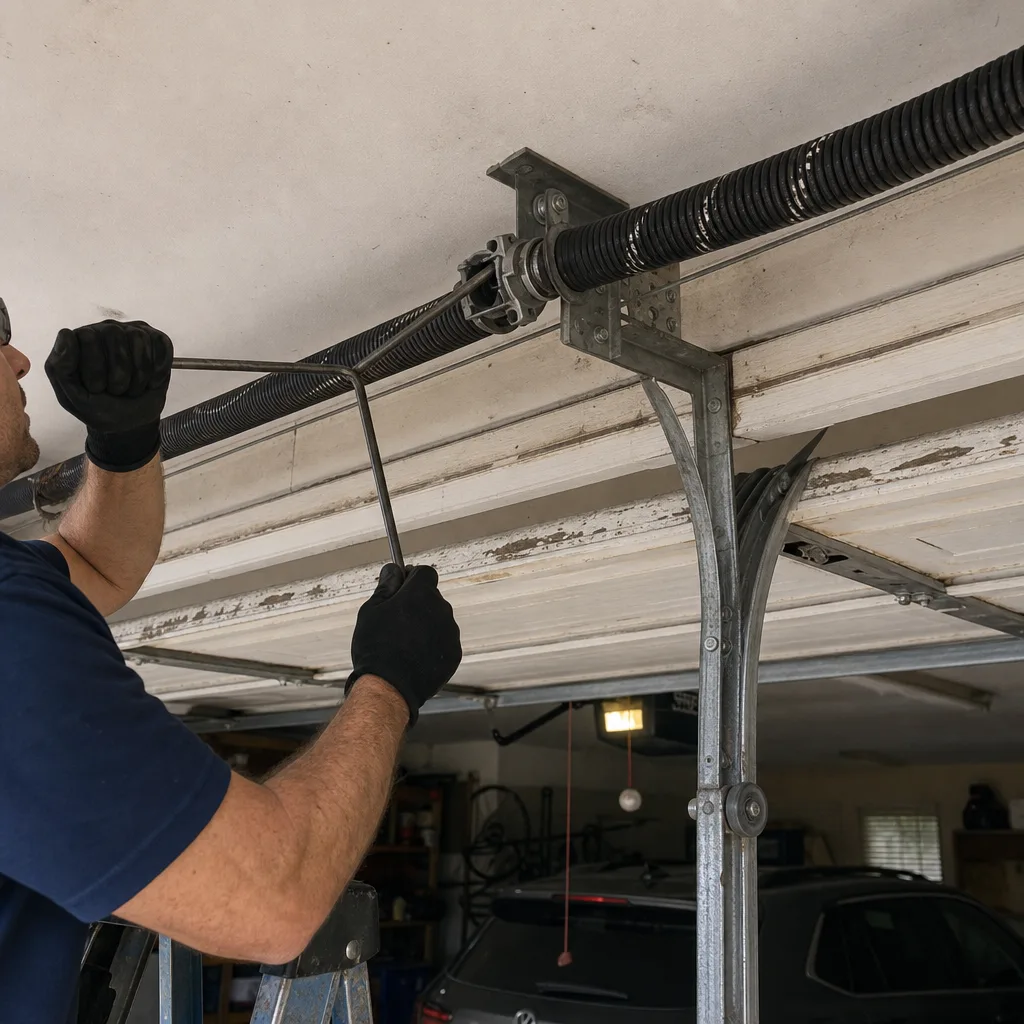 Before
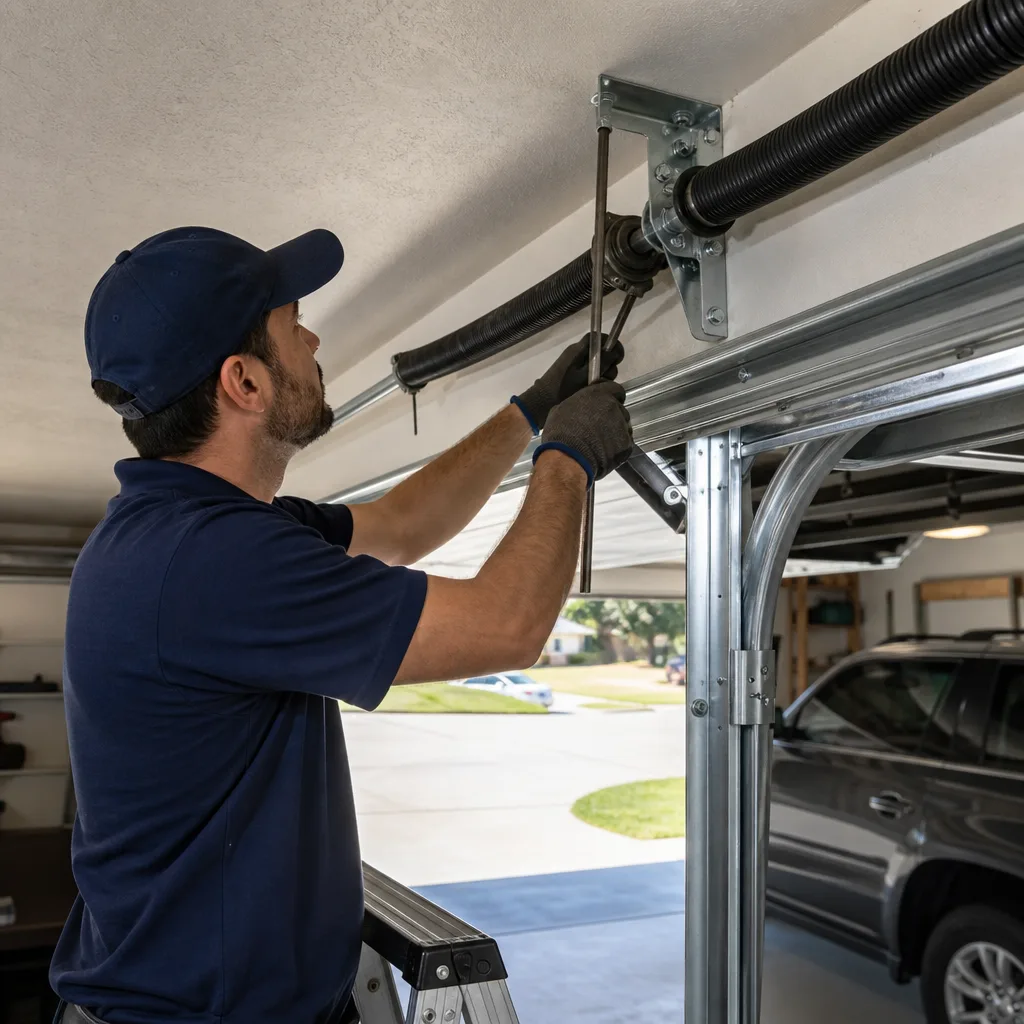 After
After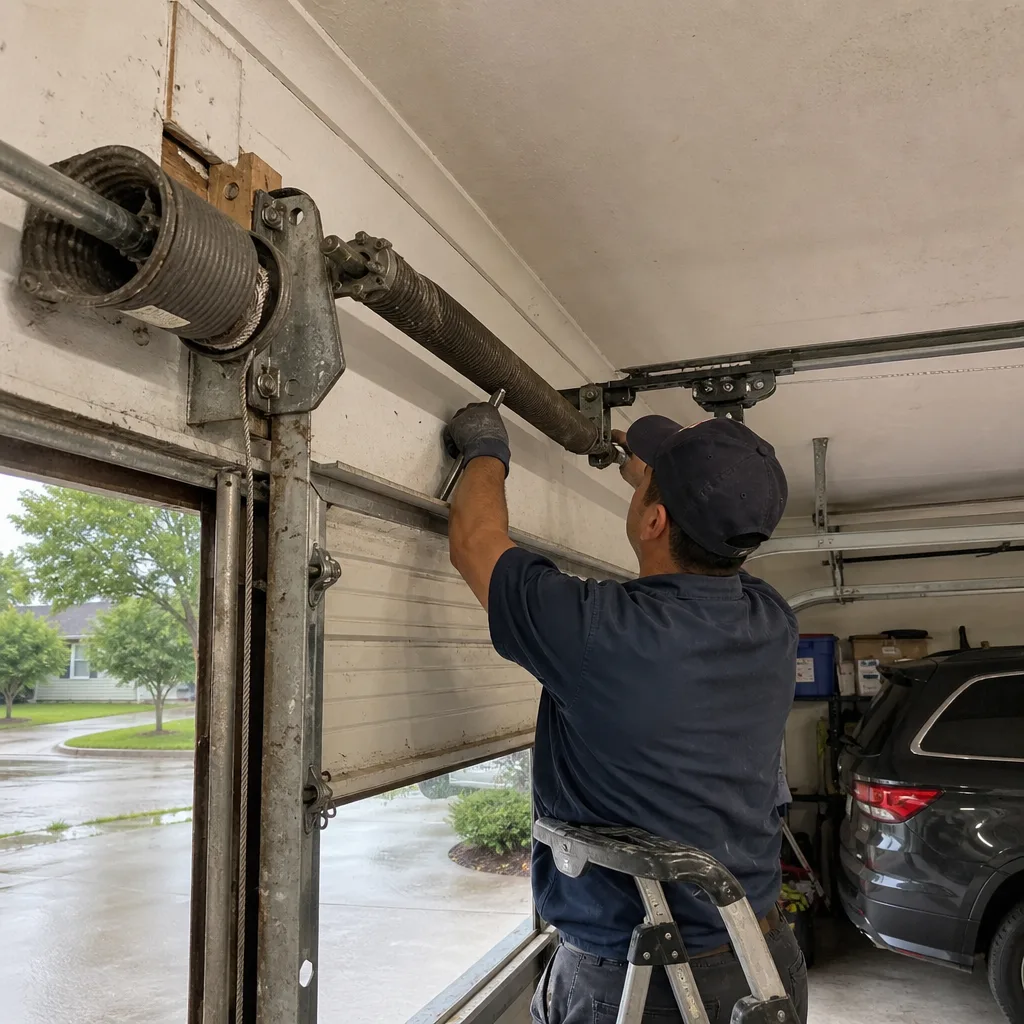 Before
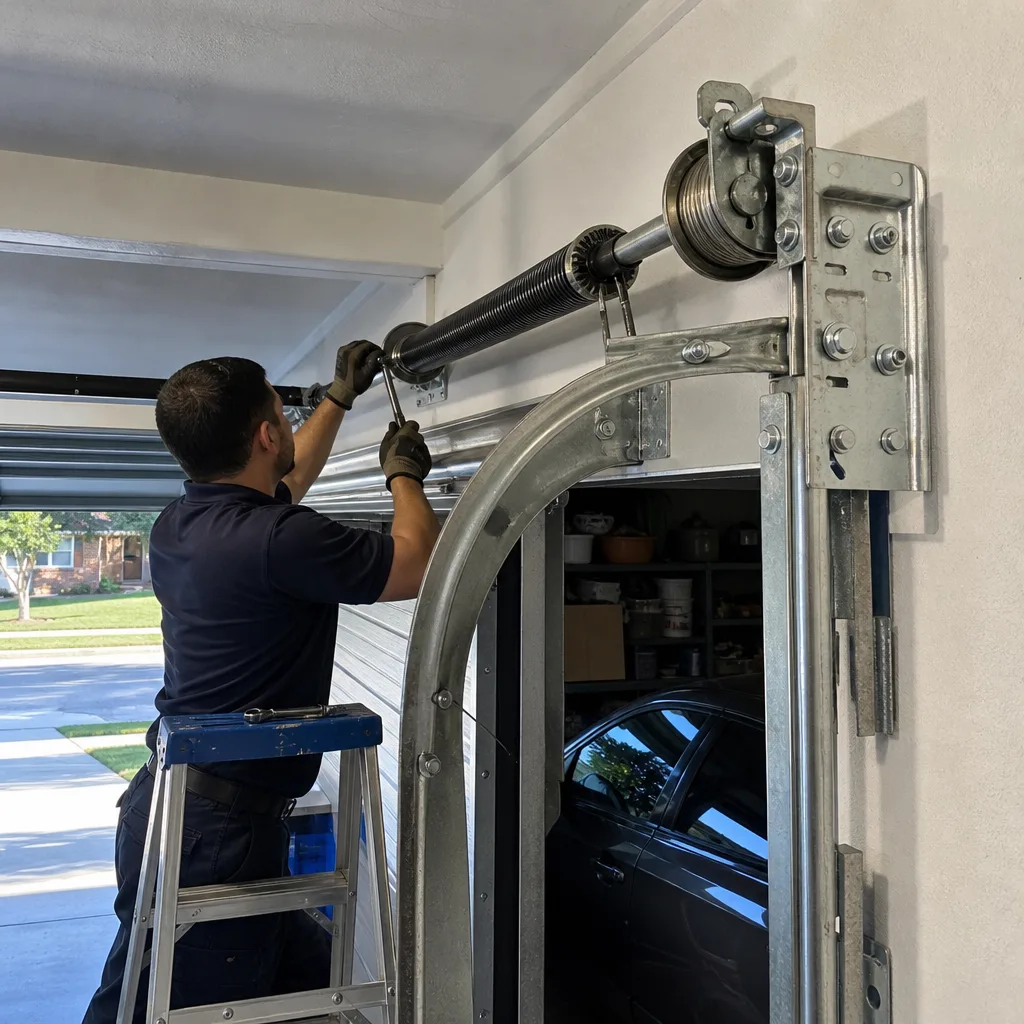 After
After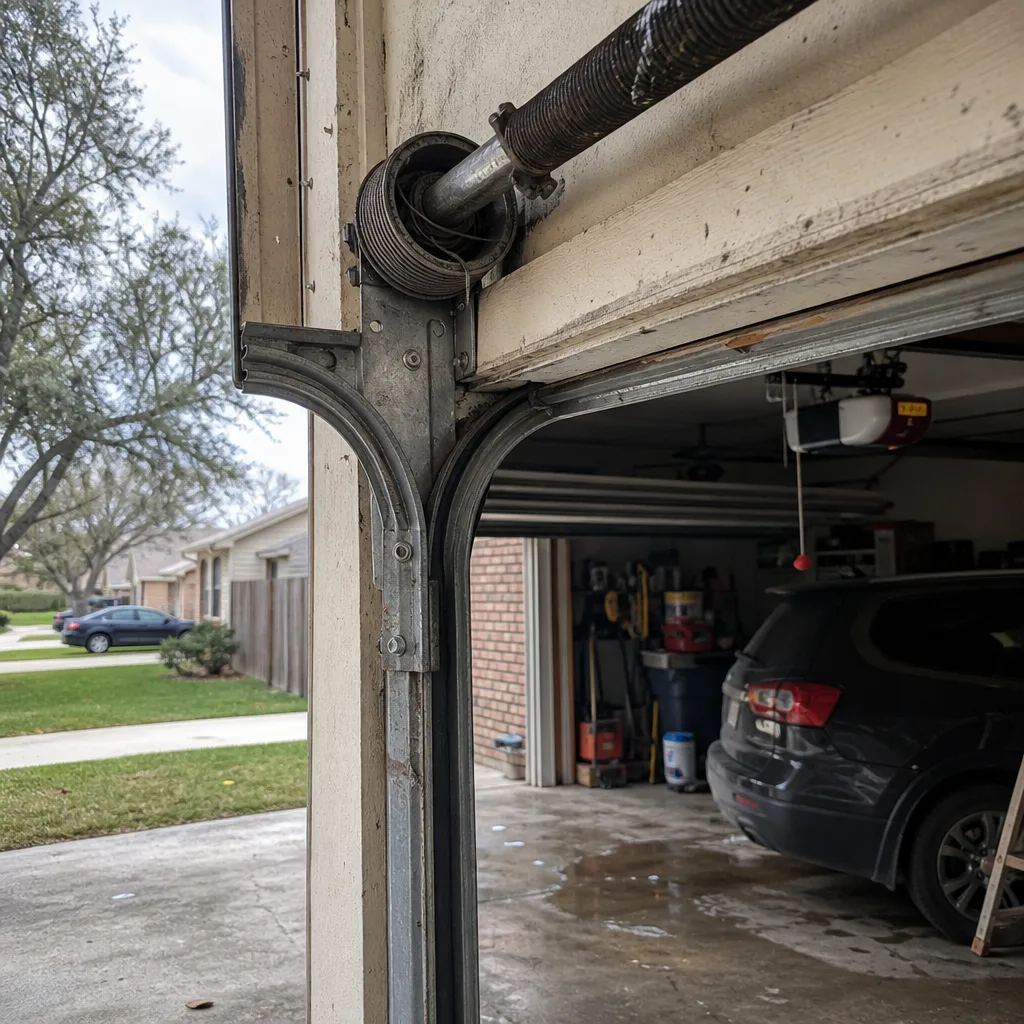 Before
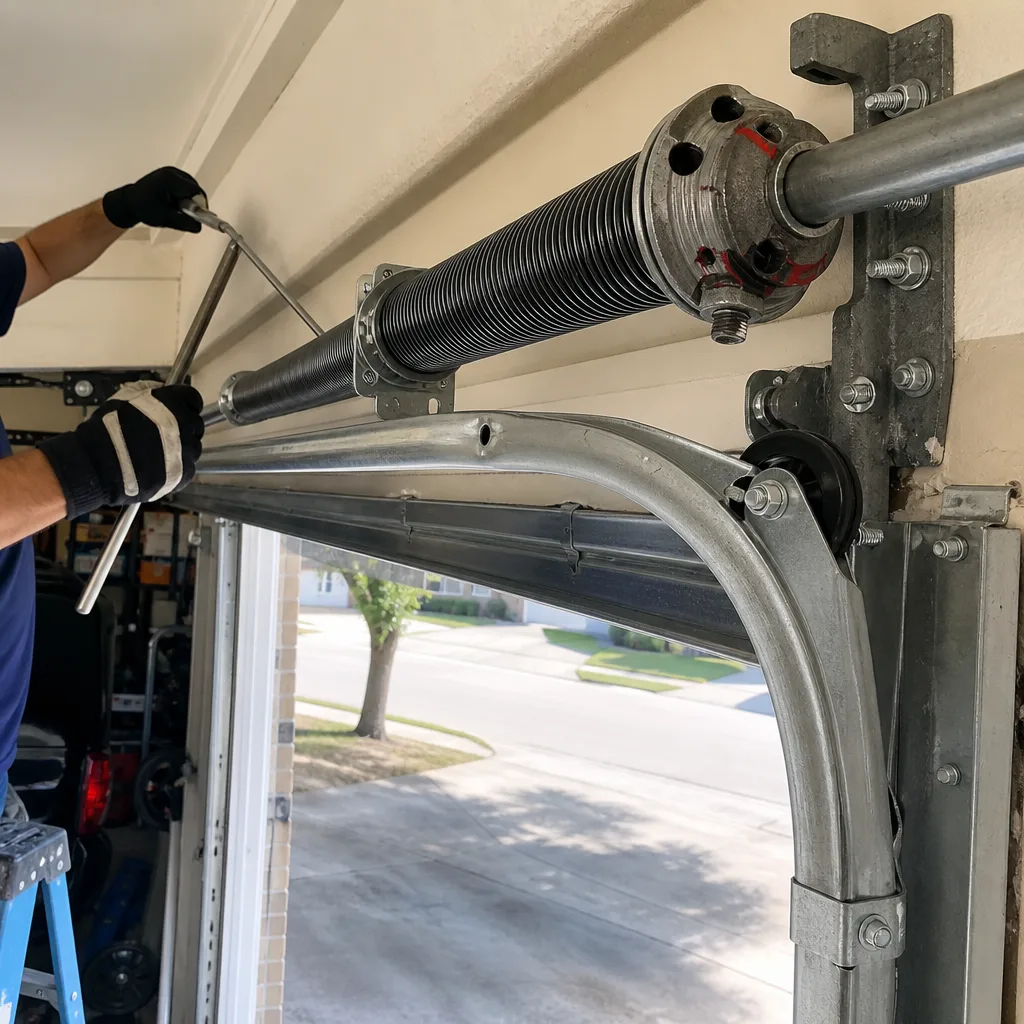 After
AfterThe Complete Guide to Garage Door in League City
Most garage door guides are written for Denver or Phoenix. League City sits 25 miles from the Gulf, and that proximity changes nearly every maintenance interval, material choice, and hardware spec worth knowing. A standard galvanized spring that lasts twelve years in Amarillo may fail in eight here. Clay soil beneath your slab shifts differently than rocky mountain ground, and that movement slowly pulls door frames out of square. In this guide, we’ll walk through how to choose, maintain, and repair a garage door system built for League City’s specific conditions - salt air, shifting foundations, and heat that doesn’t let up from June through October.
Quick Answer
A garage door in League City needs marine-grade or oil-tempered springs to resist salt-air corrosion, proper weatherstripping rated for humid Gulf conditions, and hardware adjusted for clay-soil foundation movement. Most residential doors last 15-30 years with correct maintenance, but the coastal environment shortens that span by 20-30% if standard inland components are used. Annual inspection of springs, cables, rollers, and seals is the single most effective step a homeowner can take.
Table of Contents
- How Salt Air Changes Everything
- Clay Soil, Slab Foundations, and Out-of-Square Doors
- Insulation and R-Value Reality in League City’s Climate
- Permits and Inspections in League City and Neighboring Cities
- A Plain-Language Glossary of Garage Door Parts
- Maintenance Schedule for Coastal Conditions
- Choosing a New Door: Material, Style, and Hardware
- Major Brands and What We See in League City Homes
How Salt Air Changes Everything
The wind off Galveston Bay carries more than humidity. Salt particles settle on metal surfaces, accelerate galvanic corrosion, and find their way into bearings, springs, and cable drums. In our experience, this is the most underestimated factor in garage door longevity across League City, Clear Lake Shores, and the broader Bay Area.
Standard galvanized torsion springs - the industry default - rely on a zinc coating for protection. That coating degrades faster here. We’ve replaced springs in the South Shore Harbour area that showed significant rust pitting after just six years, where the same spec might last ten inland. The difference is measurable.
For League City homes, we specify one of two alternatives:
- Oil-tempered springs: These receive a protective oil bath during manufacturing that resists salt-air penetration better than standard galvanizing. They cost roughly 15-20% more upfront but typically add three to five years of service life in coastal conditions.
- Marine-grade stainless or coated springs: Used in homes within a mile of the water, particularly in neighborhoods like League City Parkway near the marina district. The price premium is steeper, but for properties in flood-prone zones or direct bay exposure, it’s warranted.
The same logic applies to hardware. Hinges, rollers, and track brackets should be inspected annually for corrosion that inland homeowners might check every two to three years. Nylon rollers with sealed bearings outperform steel rollers in humid environments - they don’t rust, and the sealed bearing keeps salt out of the race.
Bottom brackets and cable drums deserve particular attention. These components sit lowest in the door assembly, where condensation collects and salt concentration is highest. We’ve seen cable drums seize entirely in homes near Clear Creek, the mechanism frozen by corrosion that a simple annual lubrication would have prevented.
For homeowners in League City’s older neighborhoods - those built in the 1970s and 1980s near FM 518 - the original hardware was often standard grade, specified before coastal corrosion was well understood. If your door is original to a home of that vintage, the hardware is likely overdue for replacement regardless of apparent condition.
Clay Soil, Slab Foundations, and Out-of-Square Doors
League City sits on the expansive clay soils of the Gulf Coastal Plain. This soil swells when wet and shrinks when dry, creating a slow, seasonal cycle of foundation movement that concrete slabs never fully escape. The result is subtle but cumulative: door openings that were plumb when built become slightly parallelogram-shaped over decades.
A garage door system is engineered for a rectangular opening. When the header sags or the jambs tilt, the door binds, rollers wear unevenly, and weatherstripping fails to seal. We’ve diagnosed “mystery” problems in League City homes - doors that shudder at a certain height, or weatherstripping that tears every two years - that traced directly to foundation shift, not door failure.
Here’s how to identify and address this:
- Check the opening with a level. Place a four-foot level against each jamb and the header. In League City, we commonly find jambs out of plumb by 1/4 to 1/2 inch in homes over twenty years old. Anything over 3/8 inch will cause operational problems.
- Inspect the gap between door and frame. It should be consistent top to bottom, typically 1/2 to 3/4 inch on each side. A gap that widens toward the top or bottom indicates frame movement.
- Look for diagonal cracks in the drywall near the door interior. These often follow foundation stress patterns and confirm that the opening is shifting, not the door.
- Have a professional assess whether the door can be shimmed and re-hung or whether foundation repair is needed first. At Mainspring Garage Door Co., we measure every opening before quoting replacement work in League City. If the frame is out of square, we adjust our installation accordingly rather than forcing a standard door into a non-standard opening.
In neighborhoods like Mar Bella and Magnolia Creek, where newer construction sits on engineered fill, movement is less pronounced but not absent. Even five-year-old homes can show 1/8 inch of jamb tilt. The key is catching it before the door hardware absorbs the stress and wears prematurely.
We never install a new door in League City without checking the opening first. It’s part of our measure-and-quote process, and it prevents callbacks. A door hung out of square will fail early, and the homeowner pays twice.
Insulation and R-Value Reality in League City’s Climate
Garage door insulation is marketed with R-values - the higher the number, the better the thermal resistance. But R-value alone misleads homeowners in League City’s mixed-humid climate. Here’s what actually matters.
League City experiences roughly 2,500 cooling degree days annually versus fewer than 1,000 heating degree days. Your garage door faces heat gain far more than heat loss. An uninsulated steel door in direct afternoon sun can reach surface temperatures exceeding 140°F, radiating that heat into the garage and, if the garage shares a wall with conditioned space, driving up air conditioning load.
The practical value of insulation here breaks down by garage use:
| Garage Use | Recommended Door Type | Why It Matters in League City |
|---|---|---|
| Detached, unconditioned, storage only | Non-insulated or basic polystyrene (R-4 to R-6) | Minimal payback; focus budget on corrosion resistance instead |
| Attached, no HVAC ducting, standard use | Polyurethane-filled steel (R-12 to R-17) | Reduces heat transfer to adjacent rooms; worth the upgrade |
| Attached, with workshop, gym, or living space conversion | High R-value polyurethane with thermal break | Essential for comfort; humidity control equally important |
| Direct afternoon sun exposure (west-facing) | Light color or reflective finish, R-12 minimum | Surface temperature reduction of 20-30°F vs. dark non-insulated |
Humidity control is the overlooked factor. An insulated door with failed seals traps moist Gulf air against cooler interior surfaces, creating condensation and mold conditions. In League City, we prioritize weatherstripping quality and bottom seal compression equally with R-value. A well-sealed R-8 door outperforms a poorly sealed R-16 door for both thermal efficiency and moisture management.
Vinyl-backed insulated doors have gained popularity in coastal Texas for good reason. The vinyl exterior doesn’t corrode, and the insulated core provides adequate R-value for most attached garages. Clopay’s Intellicore and similar polyurethane systems are what we typically recommend for League City homes where the garage sees daily use.
The 5% senior and veteran discount we offer applies to insulated door upgrades, and in our experience, the energy savings on an attached garage typically recover the insulation premium within four to six years in this climate.
Permits and Inspections in League City and Neighboring Cities
Permit requirements for garage door work vary across the Bay Area, and the distinction matters for warranty coverage, insurance claims, and resale disclosure. Here’s the practical breakdown for League City homeowners.
League City (incorporated): The Building Department requires a permit for new garage door installation when the door is part of new construction or a significant remodel. Replacement of an existing door in the same opening - the most common residential scenario - is typically exempt from permit requirements. However, if the replacement involves structural modification to the opening, header, or framing, a permit is required. Electrical work for a new opener circuit also requires a separate electrical permit.
Friendswood: Similar framework, though Friendswood’s building department interprets “substantial modification” more broadly. We’ve seen cases where a door width change triggered permit requirements that League City would have exempted. If you’re on the border between cities, confirm jurisdiction before work begins.
Pearland: Pearland requires permits for all garage door replacements in homes less than five years old, reflecting newer construction standards. Older homes follow the replacement exemption model.
Unincorporated Galveston County: No municipal permit required, but HOA architectural review may apply in master-planned communities.
Why this matters: Unpermitted structural work can void homeowner’s insurance coverage if the door fails and causes injury or property damage. Reputable contractors in League City will advise when a permit is needed and handle the application. At Mainspring Garage Door Co., we pull permits when required and provide the inspection documentation. It’s part of doing the job right.
For historical context: League City’s building codes were updated in 2015 to adopt stricter wind-load requirements for garage doors, reflecting post-Hurricane Ike lessons. Doors in wind-borne debris zones must meet specific pressure ratings. Most residential areas of League City fall outside the strictest zone, but homes south of FM 518 and east of IH-45 should verify their wind-load requirement before selecting a door.
A Plain-Language Glossary of Garage Door Parts
When you call for service, accurate description saves time and ensures the technician arrives with the right components. Here’s what each part does, in terms you can use on the phone.
- Torsion springs: The heavy coiled springs above the door, mounted on a steel shaft. They do the actual lifting - a standard residential door weighs 150-250 pounds, and the springs counterbalance that weight so your opener only moves 10-15 pounds. In League City, these are the components most affected by salt-air corrosion. Never attempt to adjust or replace these yourself; they are under extreme tension and can cause serious injury or death if handled improperly.
- Extension springs: An older alternative to torsion springs, mounted above the horizontal tracks on each side. Still found in many League City homes built before 1990. These require safety cables (see below) and are more prone to uneven wear.
- Safety cables: Steel cables threaded through extension springs. If a spring breaks, the cable contains the pieces. Required by modern safety standards; if your extension springs lack them, that’s an immediate safety issue.
- Cables and cable drums: The lift cables attach to the bottom corners of the door and wind around drums at each end of the torsion shaft. When springs weaken, cables often fray from carrying excess load. Frayed cables should be replaced before they snap.
- Rollers: The wheels that ride in the vertical and horizontal tracks. Steel rollers rust; nylon rollers with sealed bearings resist salt air and run quieter. Most League City homes benefit from nylon upgrade at replacement time.
- Hinges: Connect door sections and allow the door to bend around the track curve. Numbered 1 through 4 or higher, indicating position from bottom to top. Hinge #1 at the bottom carries the most stress and wears first.
- Track: The steel channels that guide the door. Standard radius is 15 inches; low-headroom tracks accommodate garages with limited ceiling height. Must be plumb and level for proper operation.
- Weatherstripping: The flexible seals at the door bottom (astragal), between sections, and around the frame perimeter. In League City’s humidity, vinyl and rubber degrade faster than in dry climates. Annual inspection for cracking and compression loss is essential.
- Opener: The motorized unit that automates door movement. Modern openers include safety sensors (photo eyes) that reverse the door if the beam is interrupted. Garage door opener in League City installations must account for ceiling height, outlet location, and - increasingly - smart home integration.
- Photo eyes / safety sensors: The small units mounted 4-6 inches above the floor on each side of the door opening. If misaligned or obstructed, the door won’t close. Sun glare through a west-facing garage can occasionally blind sensors; shielding or repositioning solves this.
- Bottom bracket / bottom fixture: The hardware at each lower corner where lift cables attach. Under extreme tension from the springs. Never loosen or remove these brackets with the door closed and springs wound.
When you call Mainspring Garage Door Co. with a problem, describing which part you suspect - “the cable is frayed on the left side” or “the roller popped out of the track at the top” - lets us dispatch with the correct components and complete the repair in one visit.
Maintenance Schedule for Coastal Conditions
League City’s climate demands a more frequent maintenance cycle than manufacturer guidelines suggest. We’ve developed this schedule based on what we see in local homes, not generic recommendations.
Every three months:
- Visually inspect springs for rust, gaps between coils, or elongation. Oil-tempered springs should show even, dark coloration; bright spots or flaking indicate coating failure.
- Check weatherstripping for cracks, hardening, or gaps where light shows through. The bottom seal should contact the floor evenly across the full width.
- Test door balance: disconnect the opener and lift the door manually to waist height. It should stay in place, neither rising nor falling. If it drifts, spring tension needs adjustment - a professional job.
- Inspect photo eyes for alignment and clean lenses with a soft cloth.
Every six months:
- Lubricate all moving metal parts: hinges, rollers (if steel), bearing plates, and torsion shaft. Use a silicone-based or lithium-based garage door lubricant, not WD-40, which attracts dust and dries quickly.
- Tighten all visible hardware: track bolts, lag screws into framing, opener mounting brackets. Clay-soil vibration loosens fasteners over time.
- Check door sections for dents, delamination, or water infiltration at panel edges.
Annually:
- Professional inspection of spring tension, cable condition, and opener force settings. The $89 Seasonal Tune-Up we offer covers this comprehensively.
- Evaluate whether weatherstripping replacement is needed. In League City, full replacement every 3-5 years is typical.
- Test the auto-reverse function: place a 2×4 flat on the floor where the door closes. It should reverse on contact. If not, opener force settings require adjustment.
Homes within a mile of Galveston Bay or Clear Creek should double the frequency of spring and hardware inspection. The salt concentration in that zone accelerates corrosion measurably.
Choosing a New Door: Material, Style, and Hardware
Replacement door selection in League City involves balancing coastal durability, thermal performance, and architectural compatibility with the neighborhood. Here’s how the materials compare in our local conditions.
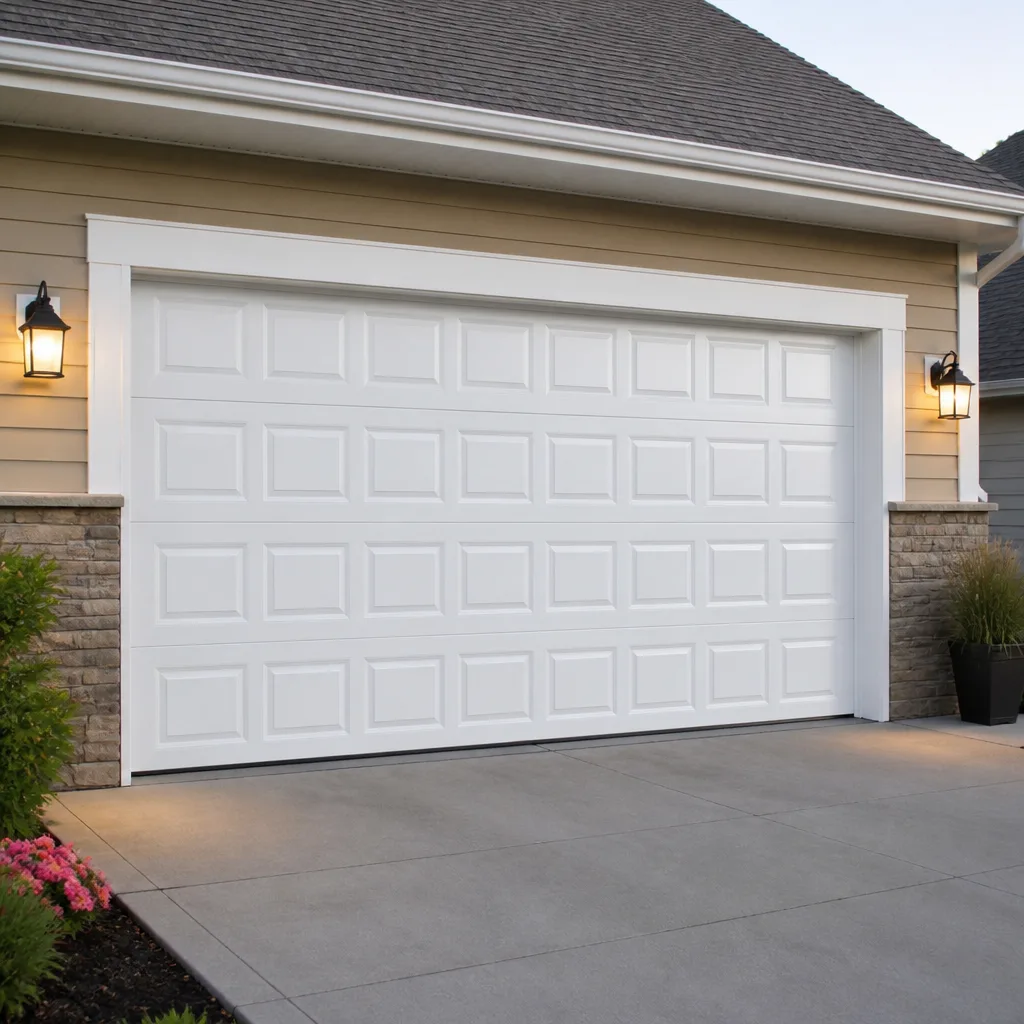
Steel (most common): Galvanized steel with baked-on enamel finish dominates the market for good reason. It’s strong, relatively affordable, and available in insulated and non-insulated versions. For League City, specify a minimum 24-gauge steel for single doors, 22-gauge for doubles, with a corrosion-resistant primer system. Factory-applied colors in light tones - white, almond, sandstone - reduce heat absorption and slow finish degradation. Dark colors in direct sun will chalk and fade faster here.
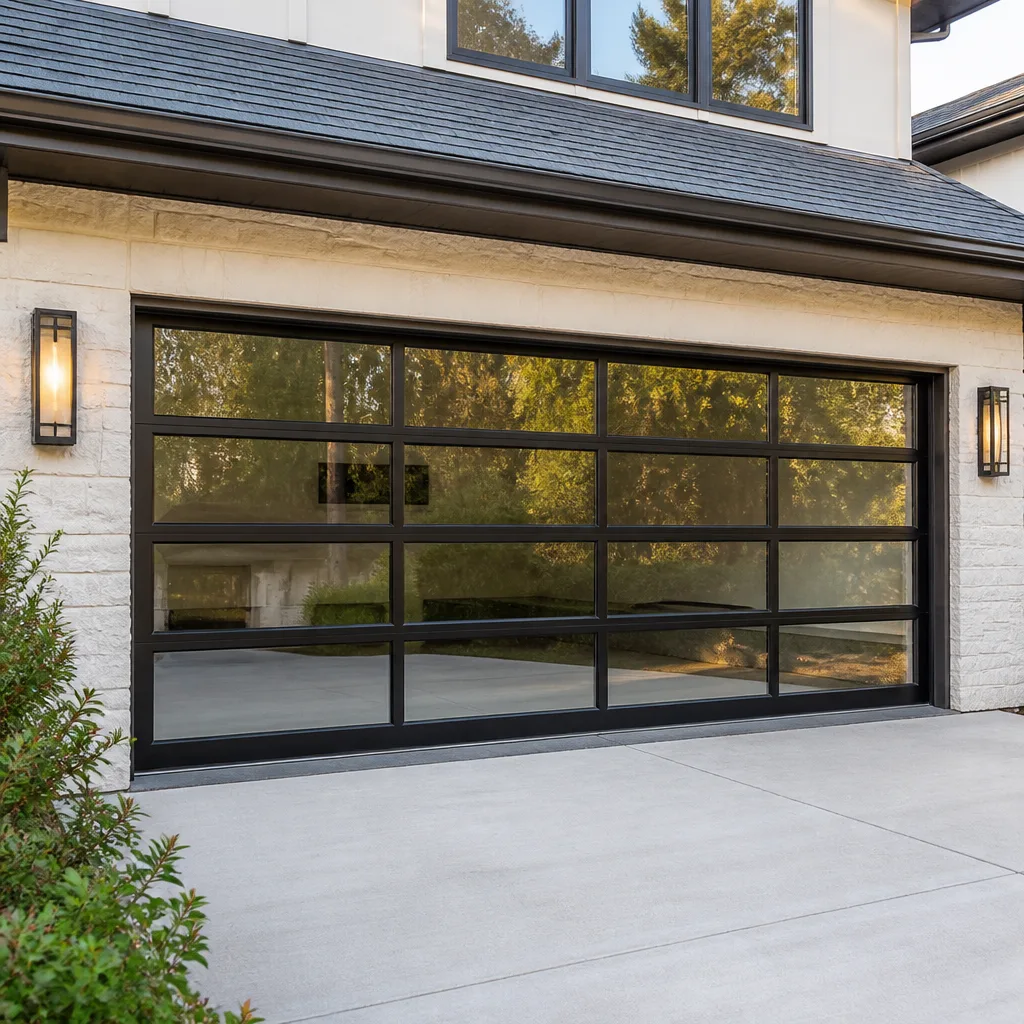
Aluminum and glass: Full-view aluminum doors are popular in contemporary homes, particularly in newer League City developments like Tuscan Lakes. The aluminum doesn’t rust, but the finish requires more frequent cleaning in salt air to prevent pitting. Tempered glass panels add weight and thermal load; they’re better suited to detached garages or mild-climate regions unless high-performance glazing is specified.
Vinyl / PVC: Impervious to salt corrosion and dents, but limited in style options and color choices. The material can become brittle in extreme heat, though this is less problematic in League City’s moderated coastal temperatures than in Phoenix or Las Vegas. A practical choice for homeowners prioritizing low maintenance over aesthetic variety.
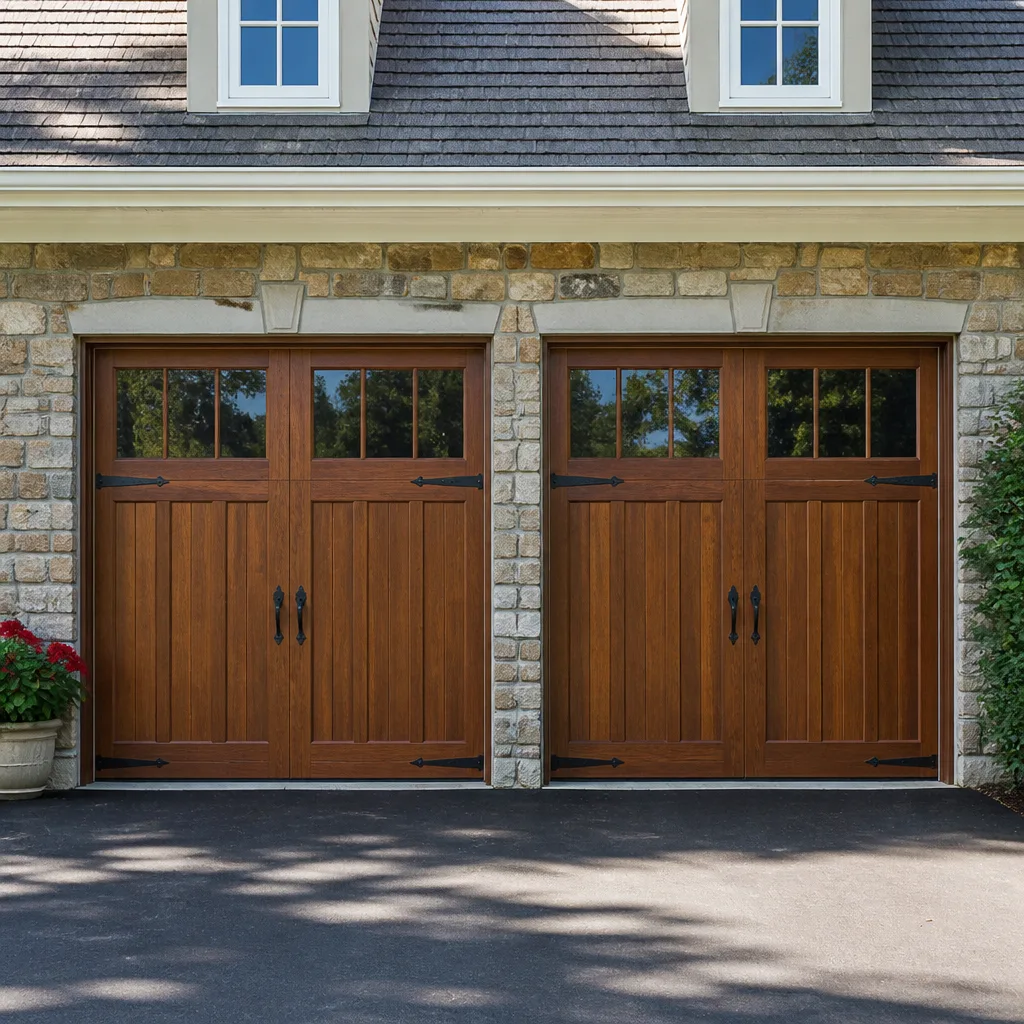
Wood and wood composite: Traditional carriage-house styles suit League City’s older neighborhoods and historic district near Main Street. Real wood requires diligent refinishing every 2-3 years in this humidity; composites offer the look with less maintenance but at higher cost. We generally steer homeowners away from real wood unless they’re committed to the upkeep cycle.
Hardware specifications that matter locally:
- Spring system: oil-tempered or marine-grade, as discussed earlier
- Rollers: nylon with sealed bearings, 13-ball minimum
- Hinges: 14-gauge galvanized minimum, heavier for double-wide doors
- Track: 2-inch heavy-duty for standard doors, 3-inch for oversized or high-cycle applications
- Weatherstripping: dual-durometer vinyl with integrated fin seal, rated for UV and ozone exposure
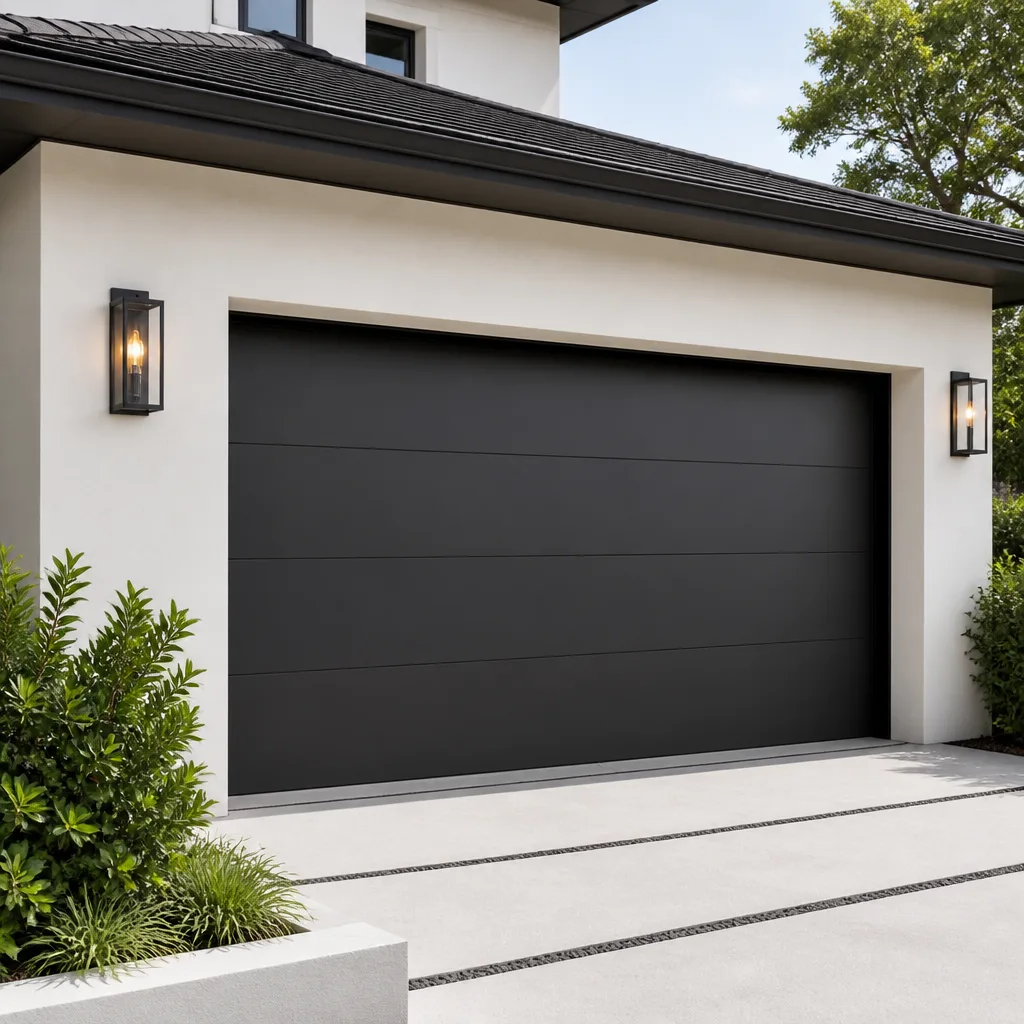
Door style should complement the home’s architecture without overreaching. In League City’s established neighborhoods, raised-panel steel doors in neutral tones blend appropriately. In newer construction, contemporary flush-panel or full-view designs may suit better. We carry sample sections and can show you installed examples in your area before you decide.
Major Brands and What We See in League City Homes
We service and install all major brands, and factory familiarity matters for parts availability and warranty support. Here’s our field experience with the brands most common in League City.
LiftMaster: The dominant opener brand in our market, and for sound reasons. Their belt-drive and chain-drive lines are reliable, parts are readily available, and the myQ smart home integration works consistently. We install LiftMaster openers regularly and stock common replacement components. The wall-mount (jackshaft) models solve headroom problems in older garages with low ceilings.
Chamberlain: Closely related to LiftMaster (same parent company, similar engineering), with a retail-focused product line. Many League City homeowners have Chamberlain openers from big-box purchases. We service them fully, though parts availability can lag commercial-grade LiftMaster components.
Genie: Strong presence in homes from the 1990s and 2000s. The screw-drive models common from that era are durable but noisy; we often recommend belt-drive replacement when these fail. Current Genie products have improved significantly, and we install their quietlift line for budget-conscious customers who still want reliable performance.
Clopay: The leading U.S. door manufacturer, with broad style and insulation options. Their Intellicore polyurethane insulation system is what we typically specify for League City attached garages. The Gallery and Canyon Ridge collections suit the traditional architecture common in established neighborhoods. Clopay’s distribution network means replacement sections and hardware are obtainable without long lead times.
We don’t push any single brand. The right choice depends on your door size, usage pattern, headroom constraints, and budget. Our installation quotes specify brand and model so you know exactly what you’re getting, and we explain why we recommended that particular configuration for your situation.
Common Mistakes to Avoid
- Ignoring spring corrosion until failure. A broken spring strands your car in the garage and often damages the opener from sudden load shift. In League City, springs should be proactively replaced at the first sign of coating degradation, not after they snap.
- Installing standard hardware within a mile of salt water. We’ve been called to homes in Kemah and Seabrook where generic galvanized hardware failed in three years. The upcharge for marine-grade components pays for itself in longevity.
- Assuming all doors fit standard openings. Clay-soil movement means many League City openings are no longer standard size. Measuring the opening, not the old door, prevents the wrong product from arriving.
- Neglecting weatherstripping replacement. Worn seals admit humid Gulf air, accelerating interior corrosion and creating mold conditions. It’s a $50-$100 part that protects a $2,000+ door system.
- DIY spring adjustment or replacement. The energy stored in a wound torsion spring can maim or kill. We’ve seen homeowners with broken fingers, facial injuries, and worse from attempted self-repair. This is not a savings worth risking.
- Choosing dark door colors for west-facing installations. The thermal load degrades finish and insulation performance. Light colors or reflective finishes are the correct choice for direct afternoon exposure in League City’s sun.
- Failing to verify contractor licensing and insurance. League City requires garage door contractors to carry general liability insurance. Uninsured work leaves you exposed if property damage or injury occurs. We provide certificate of insurance on request, no hesitation.
When to Call a Professional
Some situations demand immediate professional attention. Call if the door won’t open and you suspect a broken spring or cable, if the door is off its tracks, if the opener runs but the door doesn’t move, or if you notice a sudden increase in noise or vibration. These symptoms indicate mechanical failure that will worsen with continued operation.
Also call before the failure: if your door is more than fifteen years old and has never had a professional inspection, if you’re considering replacement and want an accurate measure of your potentially out-of-square opening, or if you’re unsure whether your planned work requires a permit in League City, Friendswood, or Pearland.
Mainspring Garage Door Co. offers free estimates in League City. Carl Dutton or a member of our team will assess your situation, explain what we find, and quote a flat price before any work begins. Call (936) 246-3131. Phones are answered by a live person, 24 hours a day, including nights, weekends, and holidays.
Frequently Asked Questions
A well-maintained steel door in League City typically lasts 15-25 years, though salt-air exposure can shorten that by 20-30% if standard hardware is used. Doors with oil-tempered springs, nylon rollers, and quality weatherstripping tend toward the longer end of that range. Annual professional inspection is the most effective way to maximize lifespan.
Most common repairs in League City fall in these ranges: spring replacement $200-$400 depending on spring type and door size; cable replacement $150-$250; roller replacement $120-$200; opener repair $150-$350; full tune-up and safety inspection $89. We state the flat price before beginning work, and our $50 Off Any Repair Over $250 offer applies automatically. Call (936) 246-3131 for an exact quote - estimates are free.
Most repairs are completed in a single visit because our trucks carry springs, cables, rollers, and openers for all major brands. Same-day service is available for spring failures, off-track doors, and opener malfunctions throughout League City. Installation and replacement work is measured, ordered, and scheduled - we do not rush measured work.
No. We quote the flat price after diagnosis and before any work begins. If we discover additional issues during repair, we stop and explain them with a revised quote. You approve every dollar before it is spent. This is our no-surprises policy, and it’s in writing on every job.
Direct replacement of an existing door in the same opening is typically exempt from permits in League City. New installations, structural modifications, or electrical work for a new opener circuit require permits. We advise on permit requirements during our free estimate and handle applications when needed.
No single brand is universally best. Clopay’s insulated steel doors with Intellicore perform well for attached garages in League City’s climate. For openers, LiftMaster’s belt-drive models offer reliable operation with minimal maintenance. The right choice depends on your specific door size, usage, and home architecture. We recommend based on those factors, not brand loyalty.
The Bottom Line
A garage door in League City is not a generic appliance. Salt air, clay soil, and Gulf humidity create a specific wear pattern that inland guides don’t address. The right door uses marine-grade or oil-tempered springs, quality weatherstripping rated for humid conditions, and hardware adjusted for foundation movement. Maintenance intervals should be shorter than national standards suggest. When replacement is needed, measure the opening, not the old door, and verify whether permits apply in your specific jurisdiction. The upfront investment in correct components and professional installation pays back in years of reliable operation.
If you’re uncertain about your door’s condition, call for a free estimate. We’ll assess what you have, explain what it needs, and quote a flat price you can rely on. No phone trees, no surprises, no fine print.
Written by Carl Dutton, Owner at Mainspring Garage Door Co., serving League City since 2016.